In the contemporary era, wherein
mercury soars skyward during the scorching summer season, it becomes paramount
to possess a dependable cooling solution for one's abode or workplace. Two
widely favored alternatives prevailing in the market encompass air coolers and
air conditioners. While both fulfil the purpose of providing respite from the
heat, they exhibit discernible disparities in terms of efficacy and
cost-efficiency.
Air coolers and air conditioners
have gained widespread popularity as favored options for maintaining a pleasant
indoor environment, particularly when confronted with scorching summer periods.
Both these appliances serve the same purpose of keeping the surroundings cool,
but they work in different ways and offer distinct advantages and limitations.
Generally speaking, air coolers are cheaper to run than air conditioners. This
is because they rely on motors rather than compressors for their cooling
effect, which saves you electricity.
What are Air Coolers?
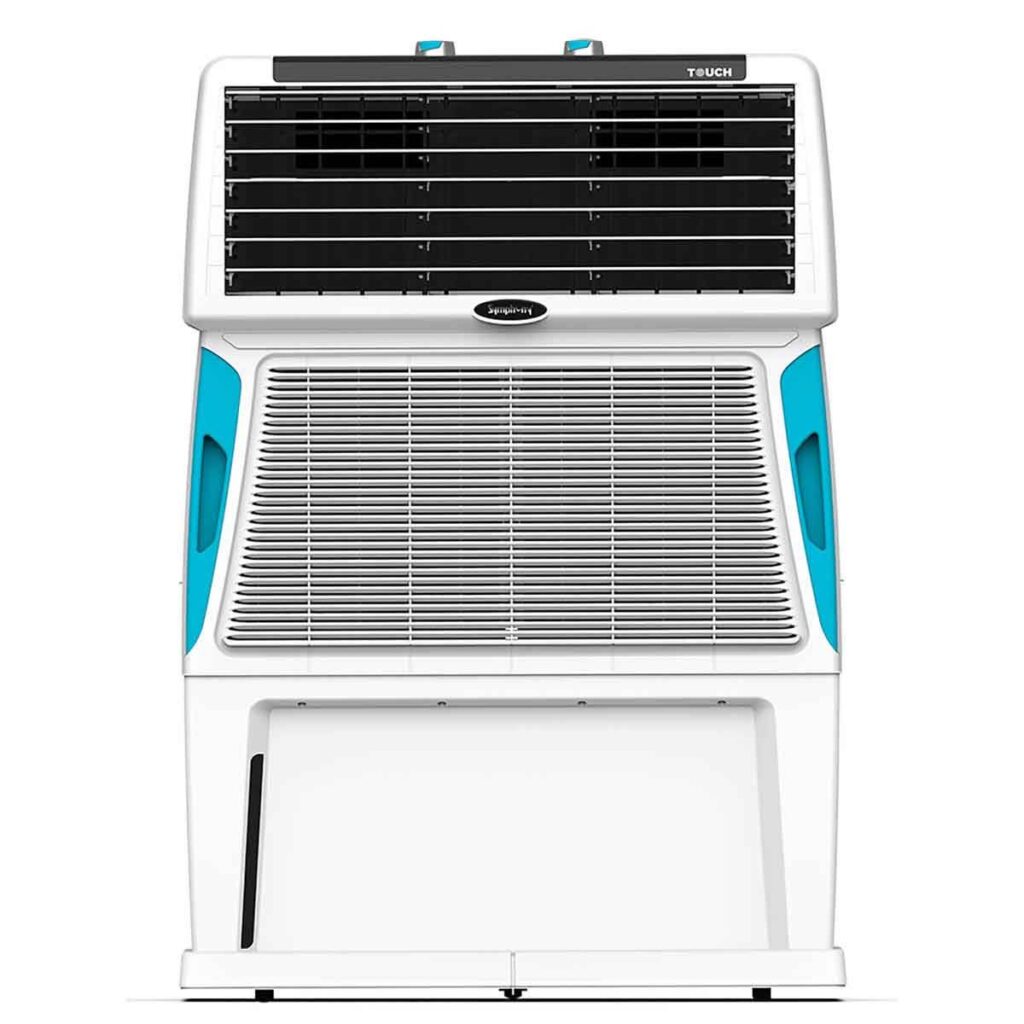
Air coolers, often known as
evaporative coolers, are apparatuses that harness the innate process of
evaporation in order to deliver air cooling. Air coolers operate on the
principle of evaporation cooling. They consist of a fan, water tank, pump, and
cooling pads. The fan draws warm air from outside, which passes through the
moist cooling pads. As the water contained within the pads evaporates, it
assimilates heat from the surrounding air, consequently reducing its
temperature. The cool air is then blown back into the room, providing relief
from the heat.
Advantages of Air Coolers
Air coolers offer several
advantages over air conditioners. In terms of energy consumption, they exhibit
a higher level of efficiency, consuming substantially less power in comparison
to their air conditioner counterparts. Air coolers provide natural and fresh
air by circulating cool air while constantly refreshing the room with outside
air. Additionally, air coolers are environmentally friendly as they do not use
harmful refrigerants.
What are Air Conditioners?
Air conditioners serve as cooling
apparatuses that effectively control the temperature, humidity levels, and
overall air quality within an enclosed area. Air conditioners work by
compressing a refrigerant gas, such as Freon, which absorbs heat from the
indoor air. The heated refrigerant gas is then pumped outside, where it
releases the heat to the environment. The cooled refrigerant returns to its
liquid state and are circulated back indoors, repeating the cycle until the
desired temperature is achieved.
Advantages of Air Conditioners
Air conditioners offer numerous
advantages that make them a popular choice for cooling spaces.
Precise
Temperature Control:
Air conditioners offer precise temperature regulation, enabling you to
establish and uphold your preferred temperature with accuracy. This level of control
ensures optimal comfort in any weather conditions.
Effective
Cooling:
Air conditioners are designed to cool large spaces efficiently. They can
quickly bring down the temperature in a room, providing instant relief from the
heat.
Humidity
Control:
Air conditioners possess the capacity to extract moisture from the air,
effectively dehumidifying the indoor environment. By eliminating excessive
humidity, they enhance comfort levels while minimizing the potential for mold
and mildew proliferation.
Air Filtration: The majority of air
conditioners are equipped with integrated filters that contribute to the
enhancement of indoor air quality. These filters trap dust, allergens, and
other particles, ensuring cleaner and healthier air for occupants.
Noise
Reduction:
Air conditioners are generally quieter compared to air coolers. The noise
produced by air conditioners is minimal, allowing for a peaceful and
comfortable environment.
All-Weather
Comfort:
Unlike air coolers, air conditioners are not affected by external humidity
levels. They provide consistent cooling performance regardless of the weather
conditions, making them suitable for both dry and humid climates.

Air Coolers vs. Air Conditioners: Energy Efficiency
When deciding between air coolers
and air conditioners, energy efficiency emerges as a crucial aspect to
consider. Here's how these two cooling systems compare in terms of energy
efficiency:
Air
Coolers:
Air coolers are known for their energy efficiency. They consume significantly
less power compared to air conditioners. Air coolers employ the inherent
phenomenon of evaporation to achieve air cooling, necessitating lower energy
consumption in contrast to the refrigeration process employed by air
conditioners. As a result, air coolers
stand out as eco-friendlier and economically viable choices with regard to
energy efficiency.
Air
Conditioners:
Air conditioners are generally more energy-intensive compared to air coolers.
The refrigeration process involved in air conditioning requires compressing and
circulating refrigerants, which consumes a considerable amount of electricity.
However, modern air conditioners come with energy-saving features and
technologies, such as inverter technology, which can help reduce energy
consumption.
When considering energy
efficiency, room
air coolers have an advantage over air conditioners. However, it's
important to note that the cooling efficiency and effectiveness of air coolers
can be affected by humidity levels, while air conditioners can provide
consistent cooling performance regardless of external factors.
Air Coolers vs. Air Conditioners: Cost-Effectiveness
When considering
cost-effectiveness, several factors need to be considered. Here's a comparison
of the cost-effectiveness of air coolers and air conditioners:
Initial
Cost:
Air coolers typically offer a more budget-friendly alternative compared to air
conditioners, as they boast lower initial expenses. This affordability factor
makes them an appealing choice for individuals seeking cost-effective cooling
solutions. In contrast, air conditioners entail higher upfront expenses owing
to the intricacy of their system and the installation prerequisites involved.
Operating
Costs:
Air coolers are highly energy-efficient and consume less electricity compared
to air conditioners. This results in lower operating costs and can
significantly reduce your monthly electricity bills. Conversely, air
conditioners exhibit higher energy consumption rates, resulting in elevated
operational expenditures.
Maintenance
Costs:
Air coolers typically require less maintenance compared to air conditioners.
They have simpler mechanisms and fewer components, reducing the need for professional
servicing. Air conditioners, however, require regular maintenance, including
filter cleaning, refrigerant checks, and professional servicing, which can add
to the overall maintenance costs.
Considering the upfront expenses,
ongoing operational costs, and maintenance expenditures, air coolers typically
demonstrate a greater degree of cost-effectiveness in comparison to air
conditioners. Nonetheless, it is crucial to evaluate your individual cooling
requirements, prevailing climate conditions, and financial limitations in order
to ascertain which alternative delivers the optimal balance of affordability
and efficiency for your circumstances.
